IA en farma y la arquitectura que sostiene la licencia para operar
Farmacéutica🌐 ES · EN
Adoptar IA en farma exige evidencia reproducible, trazabilidad forense y arquitectura desacoplada antes de seleccionar cualquier modelo.
All articles include both versions in their content: Spanish first, then English.
🧪 IA en farma y la arquitectura que sostiene la licencia para operar
Imagine una reunión donde se presenta una IA que detecta reacciones adversas, pero el proyecto se detiene ante la duda de si el equipo puede demostrar al regulador qué datos vio el modelo y cómo se validó el proceso tiempo atrás. Si la respuesta a esa pregunta es un silencio técnico, entonces la solución no es un activo para la firma, sino un riesgo operativo que compromete la licencia para operar.
La adopción confiable de IA en farma depende menos de la potencia del modelo y mucho más de una arquitectura orientada a la evidencia y el cumplimiento técnico.
Qué es y cómo implementar
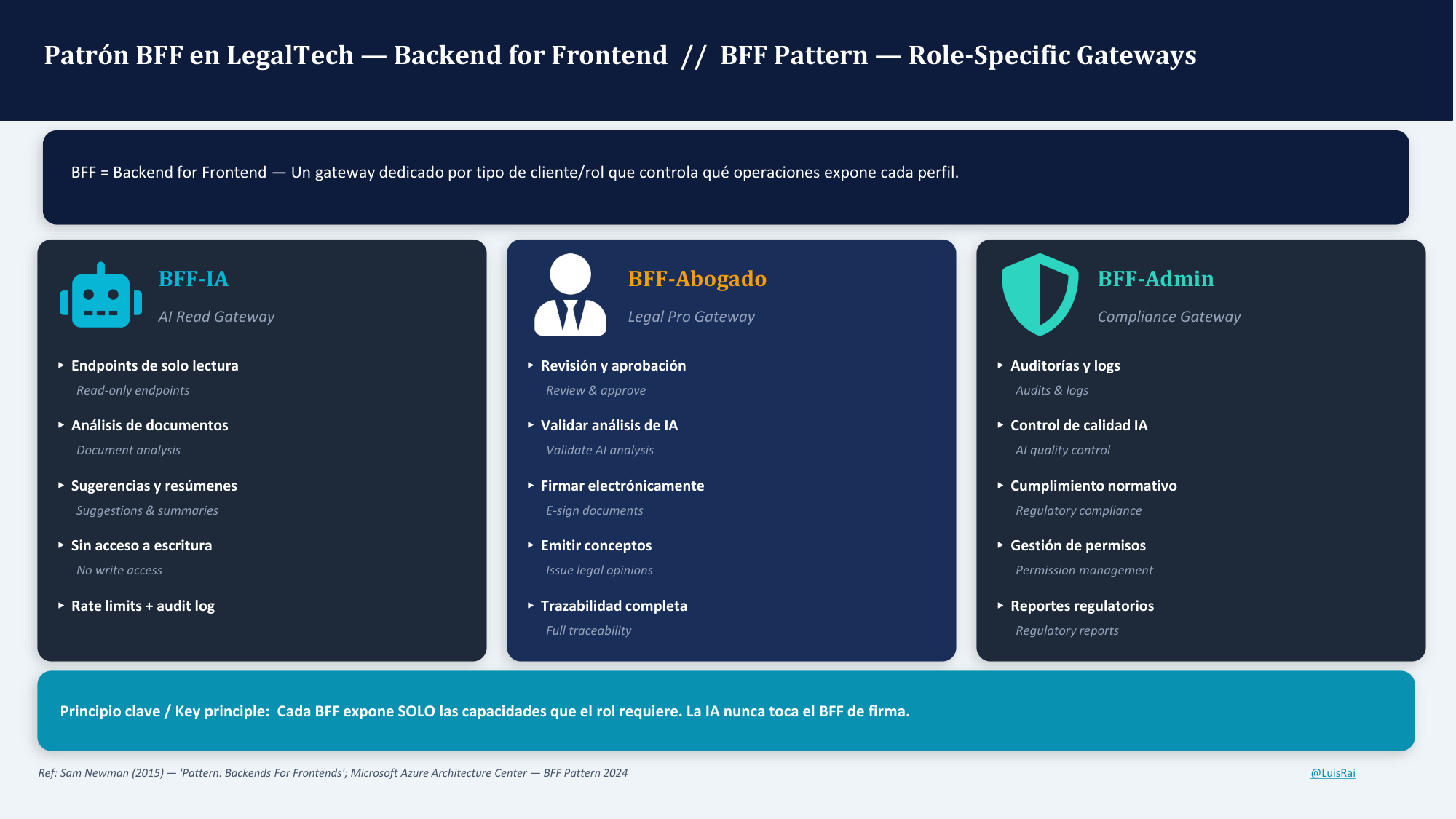
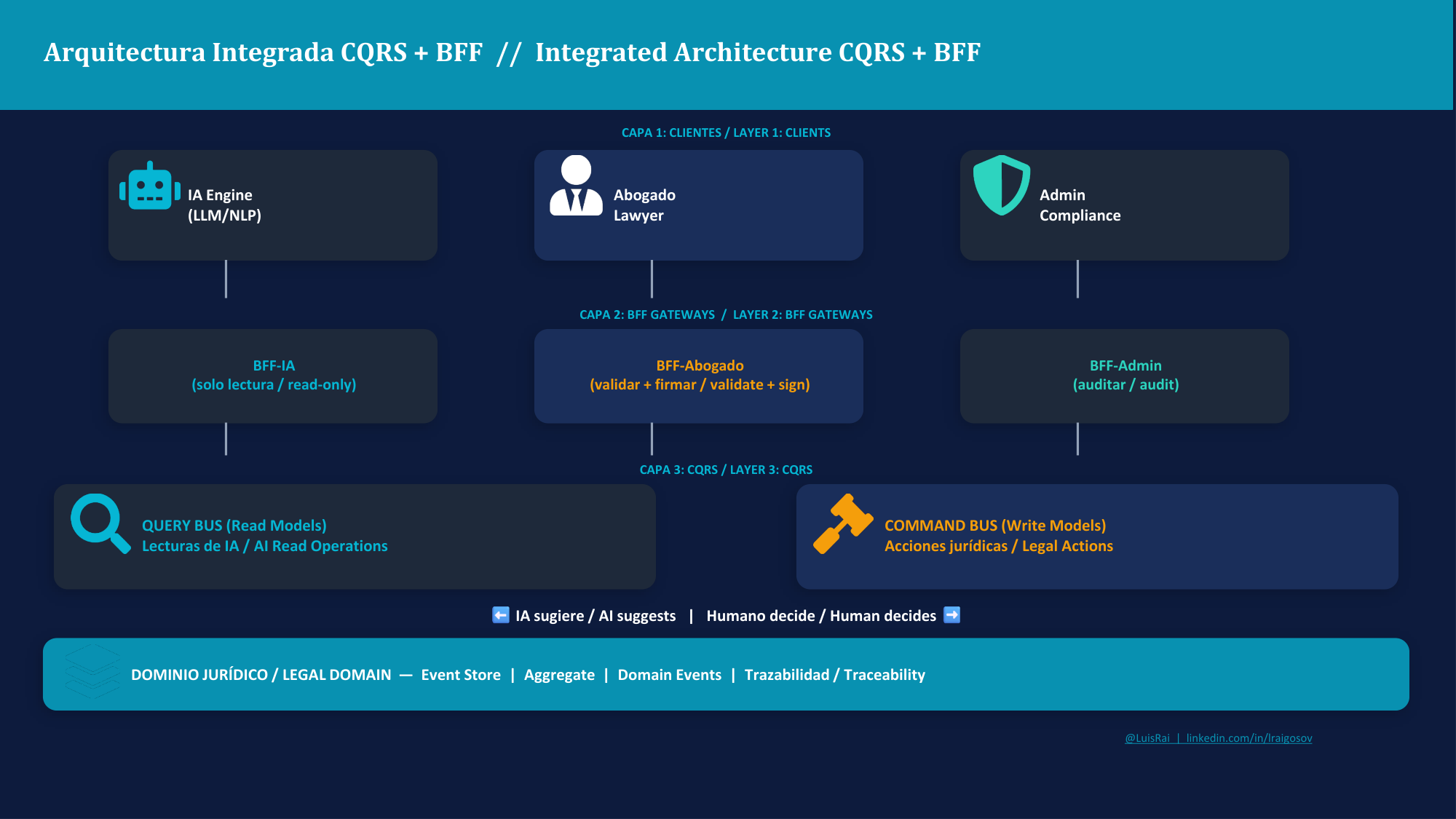
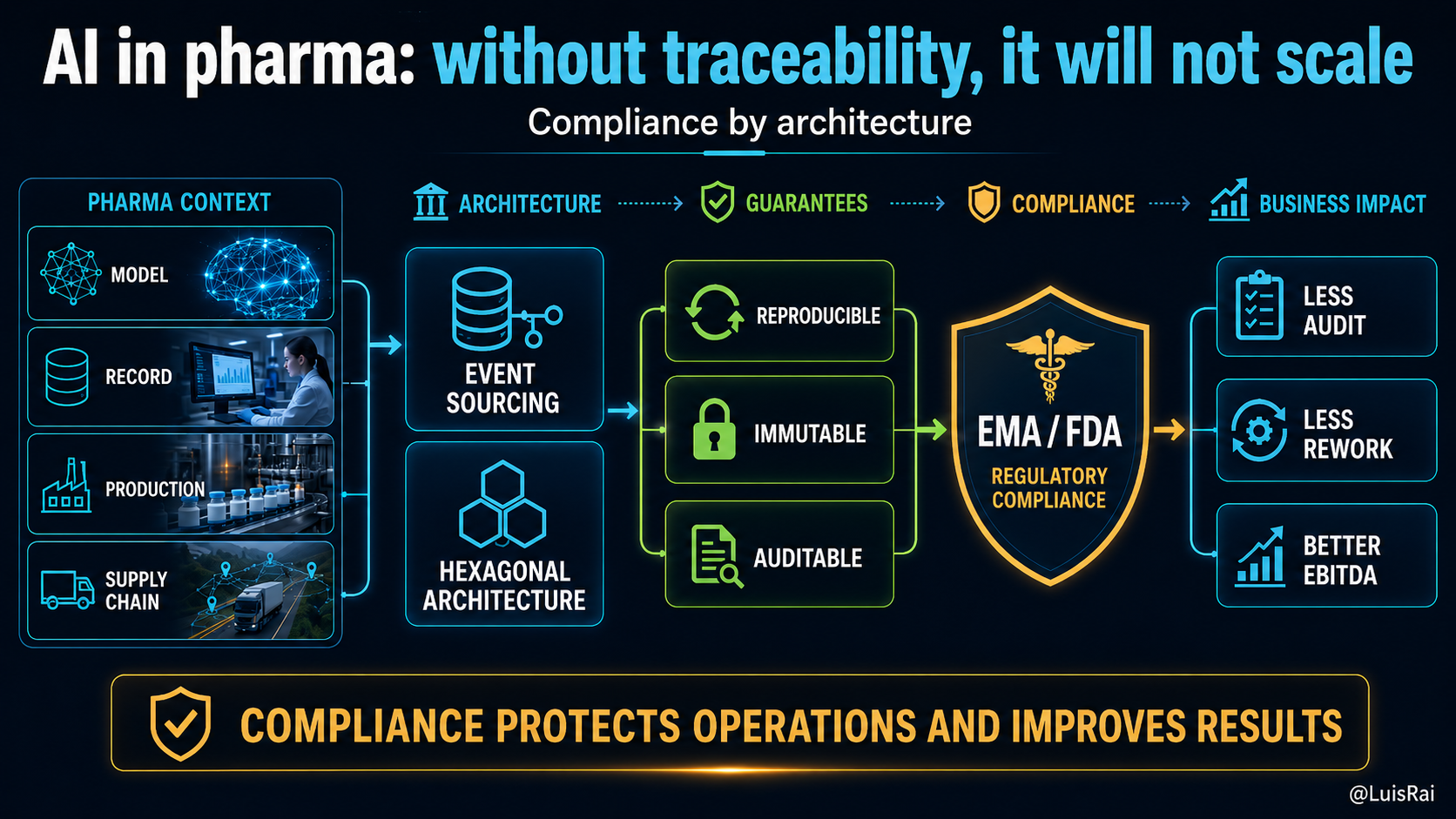
En este sector la norma exige que cada decisión sea reproducible e inmutable, lo que implica diseñar soluciones con patrones como el Event Sourcing, donde cada cambio de estado se registra como un evento inalterable que permite reconstruir la operación con precisión forense. El camino hacia una IA responsable empieza definiendo el contrato de trazabilidad antes de seleccionar cualquier herramienta, identificando los puntos críticos donde el modelo impacta la seguridad y diseñando una persistencia que selle cada entrada y salida con marcas de tiempo. Por último, el uso de Arquitectura Hexagonal permite aislar el núcleo de cumplimiento, garantizando que el sistema sea auditable sin depender de las opacidades de una caja negra o de cambios en la nube.
Impacto en ROI y EBITDA
El beneficio financiero surge de mitigar riesgos y ganar eficiencia en los procesos de calidad, pues el retorno de inversión se nota al reducir el tiempo de preparación para auditorías. En cuanto al EBITDA, la estabilidad operativa y la prevención de sanciones protegen los márgenes de la compañía, asegurando que cada avance tecnológico sea seguro bajo los estándares más exigentes. Una arquitectura auditable reduce la deuda técnica y permite que la innovación sea un soporte real para el crecimiento sostenido del negocio en entornos regulados donde la evidencia es innegociable.
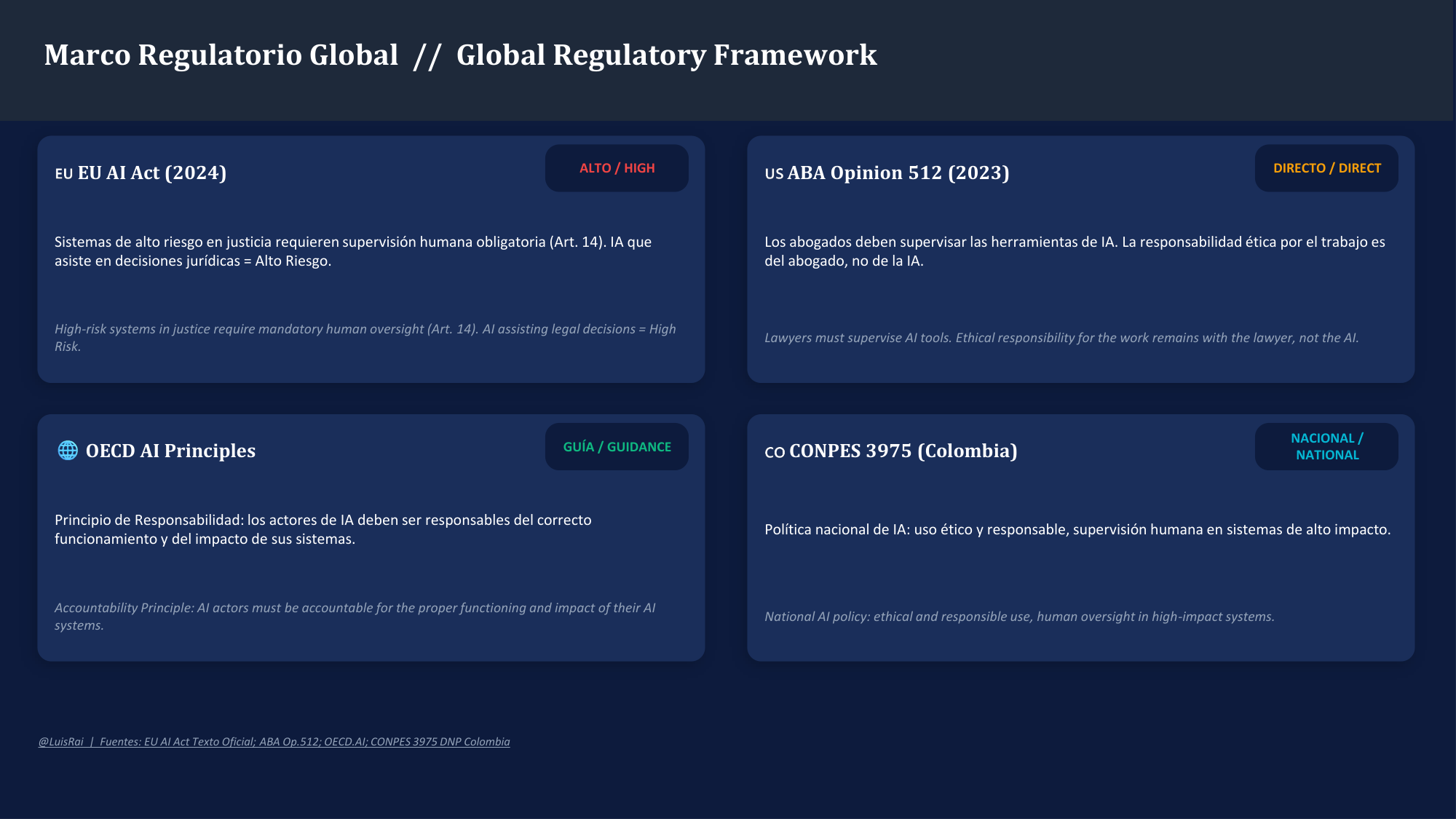
EMA y FDA reforzaron que la utilidad de un sistema depende de su capacidad de ser reproducido. Diseñar sin estos controles equivale a construir sobre arena y esperar que el interventor no note las fallas estructurales cuando evalúe la licencia para operar.
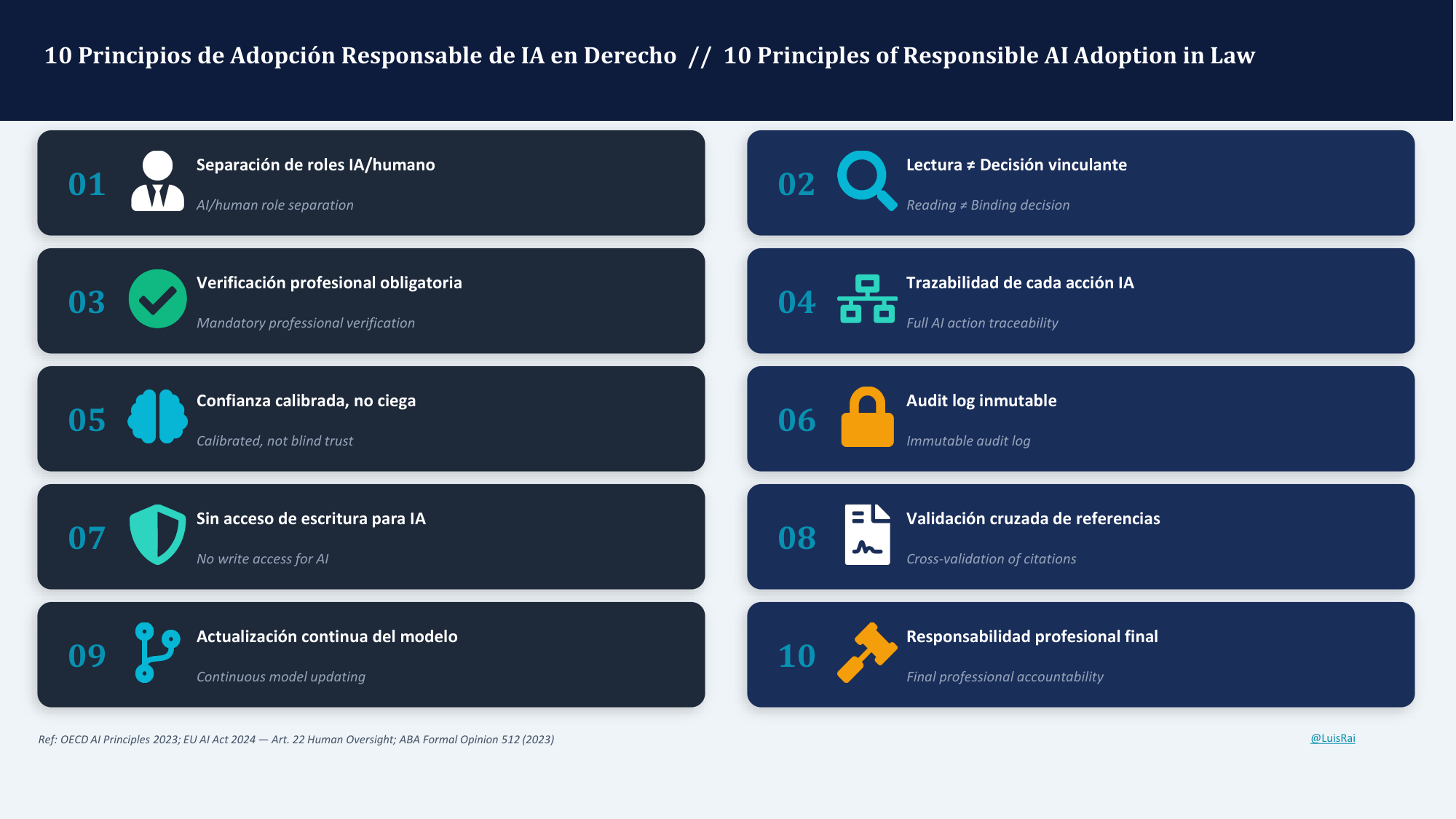
Defina qué evidencia técnica necesita para superar una inspección, construya el rastro inmutable que la genere por diseño y proteja la lógica con arquitectura desacoplada. Deje que la IA opere sobre una base sólida que no ponga en riesgo la viabilidad de la firma.
🧪 AI in pharma and the architecture that supports the license to operate
Imagine a meeting where an AI that detects adverse reactions is presented, but the project stalls over the question of whether the team can demonstrate to the regulator what data the model saw and how the process was validated in the past. If the answer to that question is technical silence, then the solution is not an asset for the firm but an operational risk that compromises the license to operate.
Reliable AI adoption in pharma depends less on model power and much more on an architecture oriented toward evidence and technical compliance.
What it is and how to implement
In this sector, regulations require every decision to be reproducible and immutable, which means designing solutions with patterns such as Event Sourcing, where each state change is recorded as an unalterable event that allows the operation to be reconstructed with forensic precision. The path toward responsible AI starts by defining the traceability contract before selecting any tool, identifying the critical points where the model impacts safety, and designing persistence that seals every input and output with timestamps. Finally, Hexagonal Architecture isolates the compliance core, ensuring the system remains auditable without depending on black-box opacity or cloud provider changes.
Impact on ROI and EBITDA
Financial benefit comes from mitigating risk and gaining efficiency in quality processes, as the return on investment is visible in reduced audit preparation time. For EBITDA, operational stability and sanction prevention protect company margins, ensuring each technological advance is safe under the most demanding standards. An auditable architecture reduces technical debt and allows innovation to be a real support for sustained business growth in regulated environments where evidence is non-negotiable.
EMA and FDA reinforced that the utility of a system depends on its capacity to be reproduced. Designing without these controls is equivalent to building on sand and expecting the inspector not to notice structural failures when evaluating the license to operate.
Define what technical evidence you need to pass an inspection, build the immutable audit trail that generates it by design, and protect the logic with decoupled architecture. Let AI operate on a solid foundation that does not put the firm's viability at risk.