Materialized views, incremental models, and tables: when to use each one
What is it?
An analytics team at a payments company in Bogotá arrived at month-end review with a dashboard that loaded in seconds, but collection numbers were fifteen hours behind the accounting ledger. Another team presented a near real-time query that reflected fresher data, but the dashboard took minutes to load, so the meeting shifted between complaints about speed and complaints about staleness. Neither implementation was technically broken, yet the materialization decision was misaligned with operating needs.
This is not a tooling fashion problem, it is an operational evidence problem where every strategy trades off cost, freshness, performance, and maintainability.
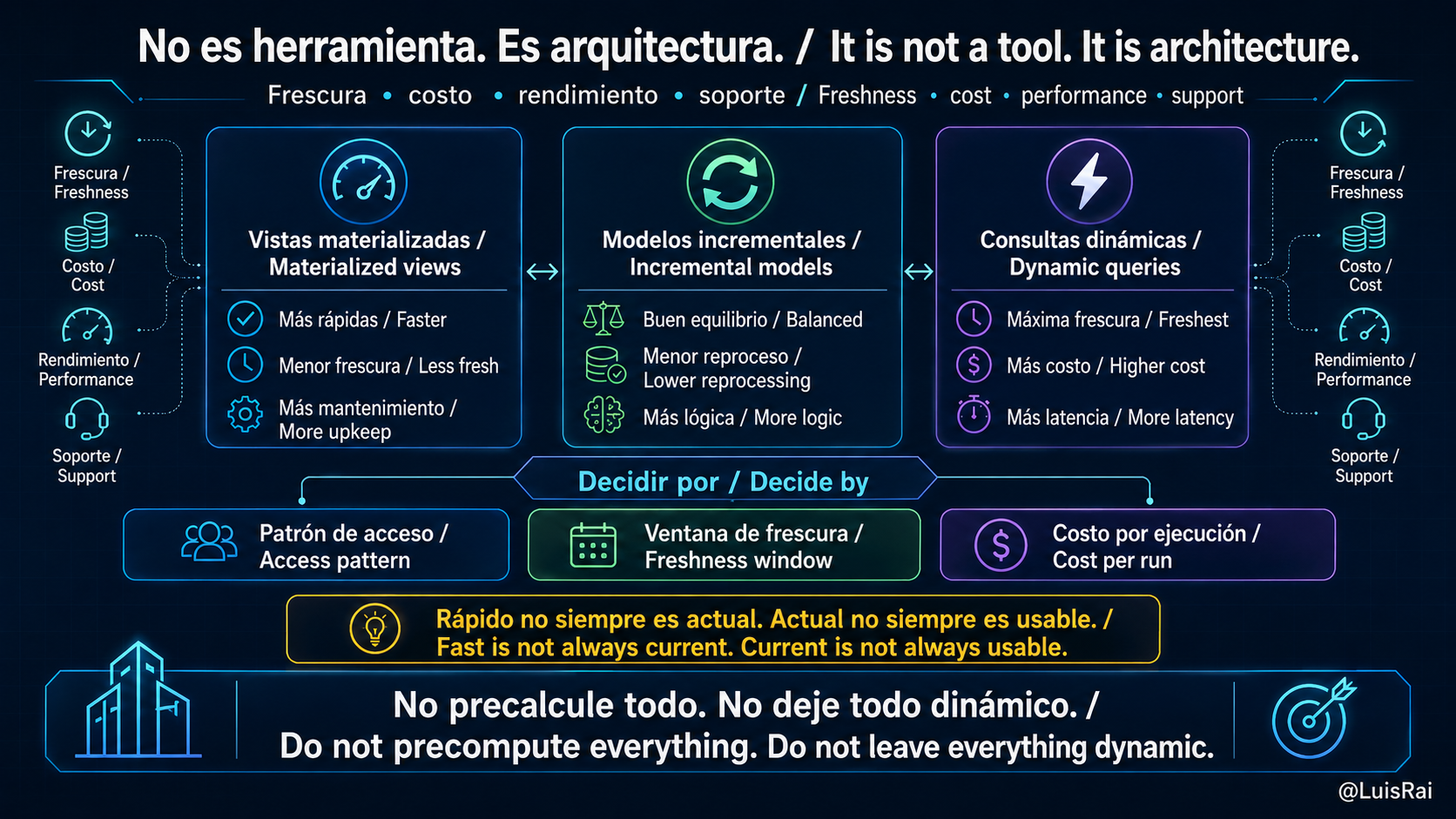
In this context a materialized view is a precomputed and stored result that accelerates repeated reads. An incremental model processes only new or changed records and updates a target table, reducing compute versus full recomputation. A dynamic query against tables can be the best option when questions shift frequently or when freshness requirements do not tolerate refresh windows.
Official documentation from BigQuery, dbt, PostgreSQL, Oracle, and SQL Server points to the same practical conclusion: no strategy wins in every scenario and outcomes depend on access patterns, change behavior, and acceptable staleness risk.
What does it add?
A correct strategy selection improves technical and financial accountability. When teams define freshness windows, update patterns, and observable query cost for each asset, discussions move from opinion to evidence. The result is more predictable response times, steadier spend, and fewer incidents caused by metric divergence across dashboards.
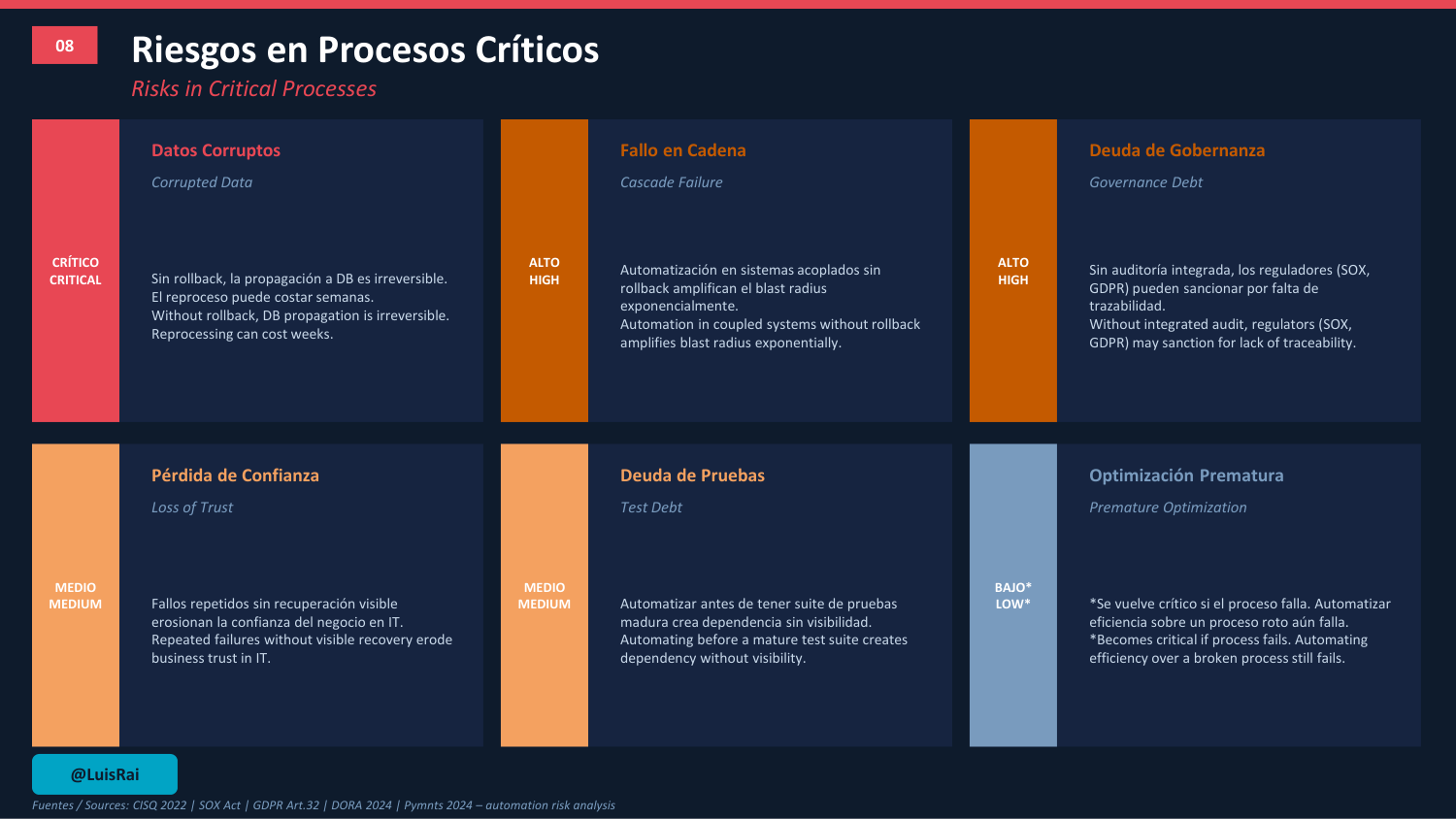
A useful historical parallel comes from early enterprise warehouses where preaggregation through indexed views and materialized views solved query bottlenecks, while also creating maintenance and refresh obligations that many teams underestimated. The lesson still applies: precalculation accelerates reads and also creates operational debt that must be budgeted and monitored.
How to implement?
An operational comparison shows why selection must be scenario-based.
| Technical criterion | Materialized view | Incremental model | Dynamic query table |
|---|---|---|---|
| Data freshness | Bound to refresh cadence and can lag | Bound to incremental job and change logic | Usually freshest when querying current source |
| Read cost | Low for repeated aggregated queries | Stable when daily delta is bounded | Can be high on large scans and weak filters |
| Maintenance cost | Requires refresh policy and invalidation monitoring | Requires change keys, idempotency, and late data handling | Lower structural maintenance and higher runtime query cost |
| Inconsistency risk | High when refresh fails or semantics drift | High when deduplication or watermark logic fails | High when each consumer rewrites business logic |
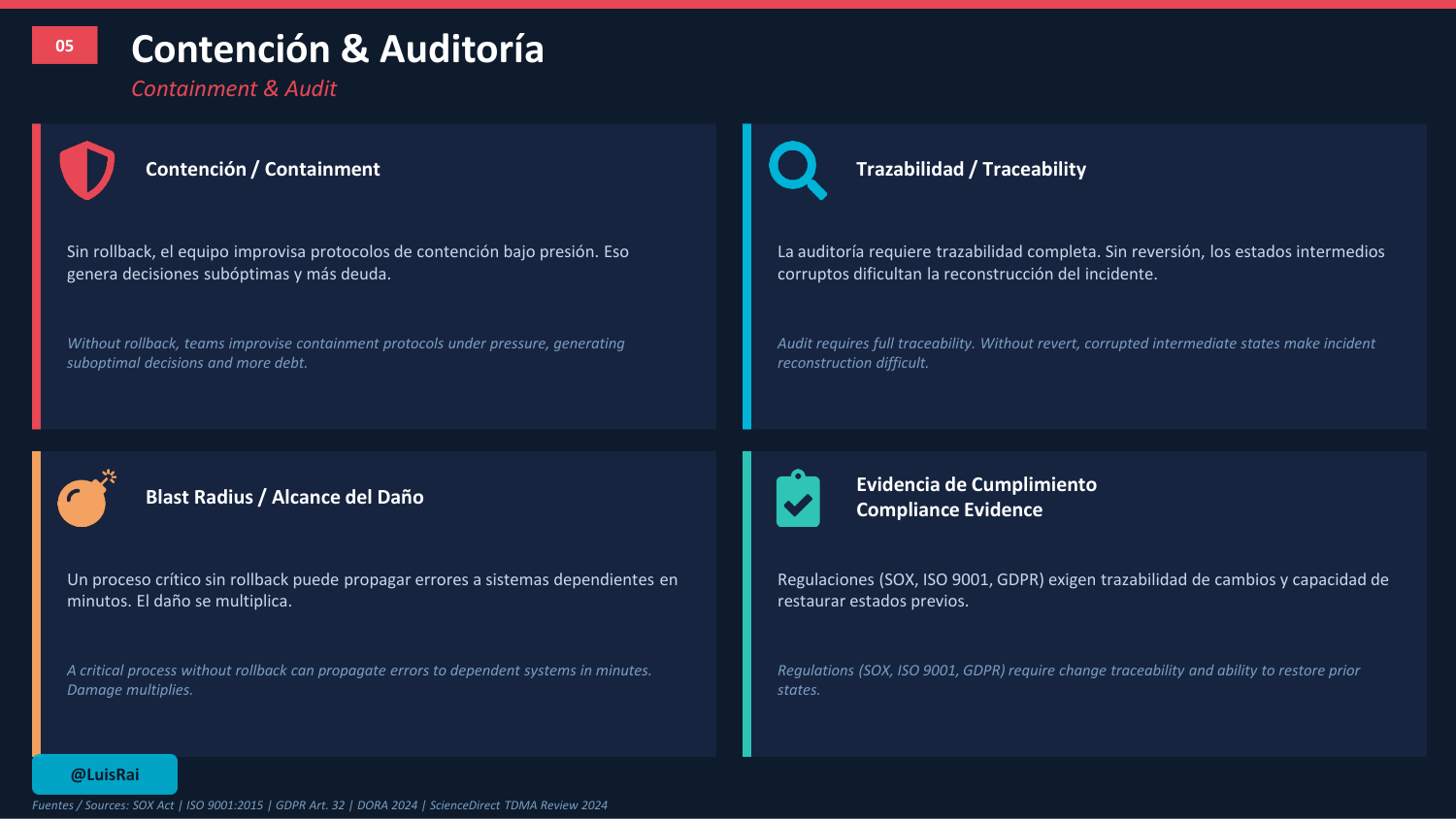
| Reversibility | Medium, object rebuild or rollback needed | High with model versioning and controlled replay | Medium, depends on SQL change governance |
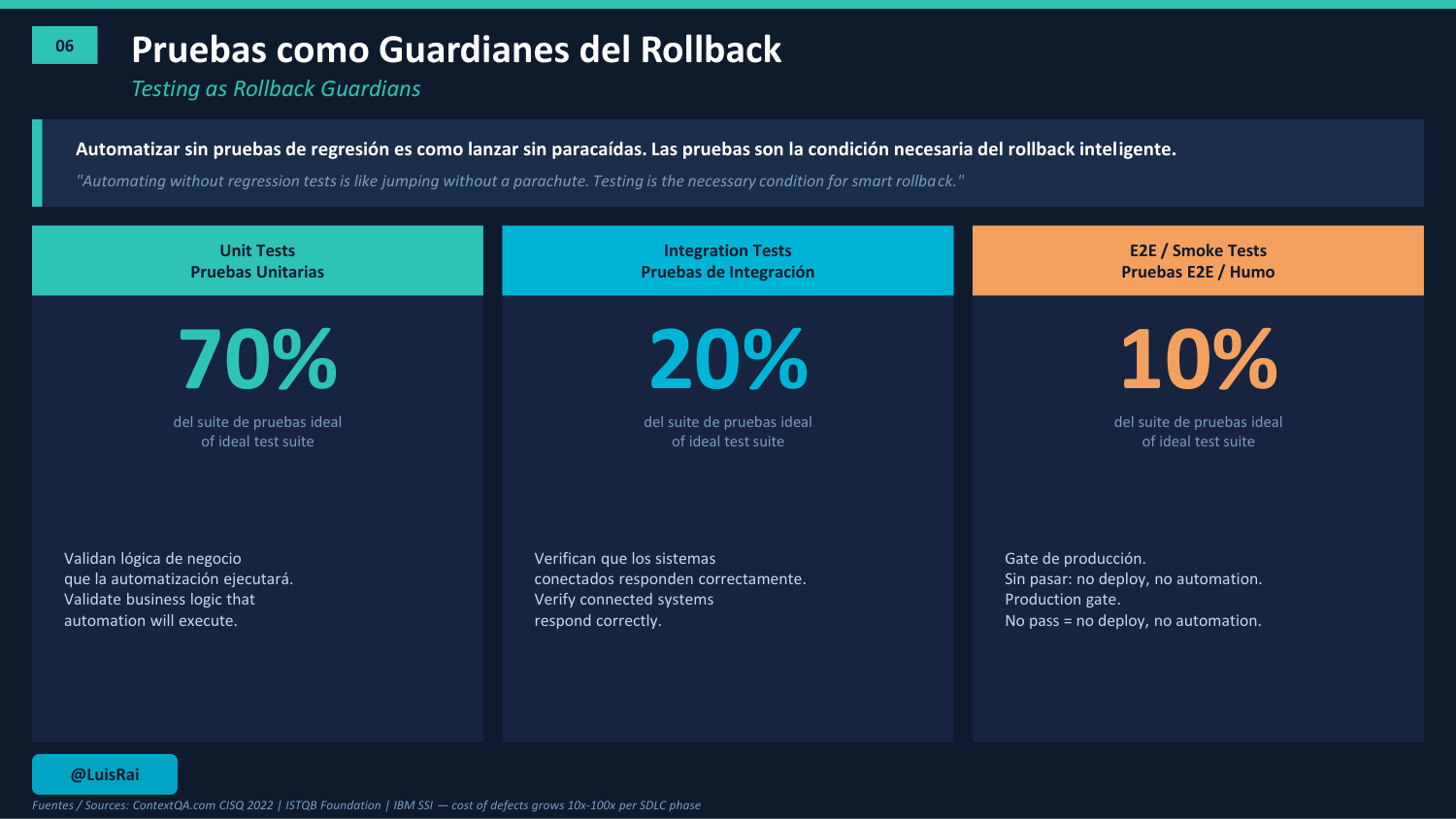
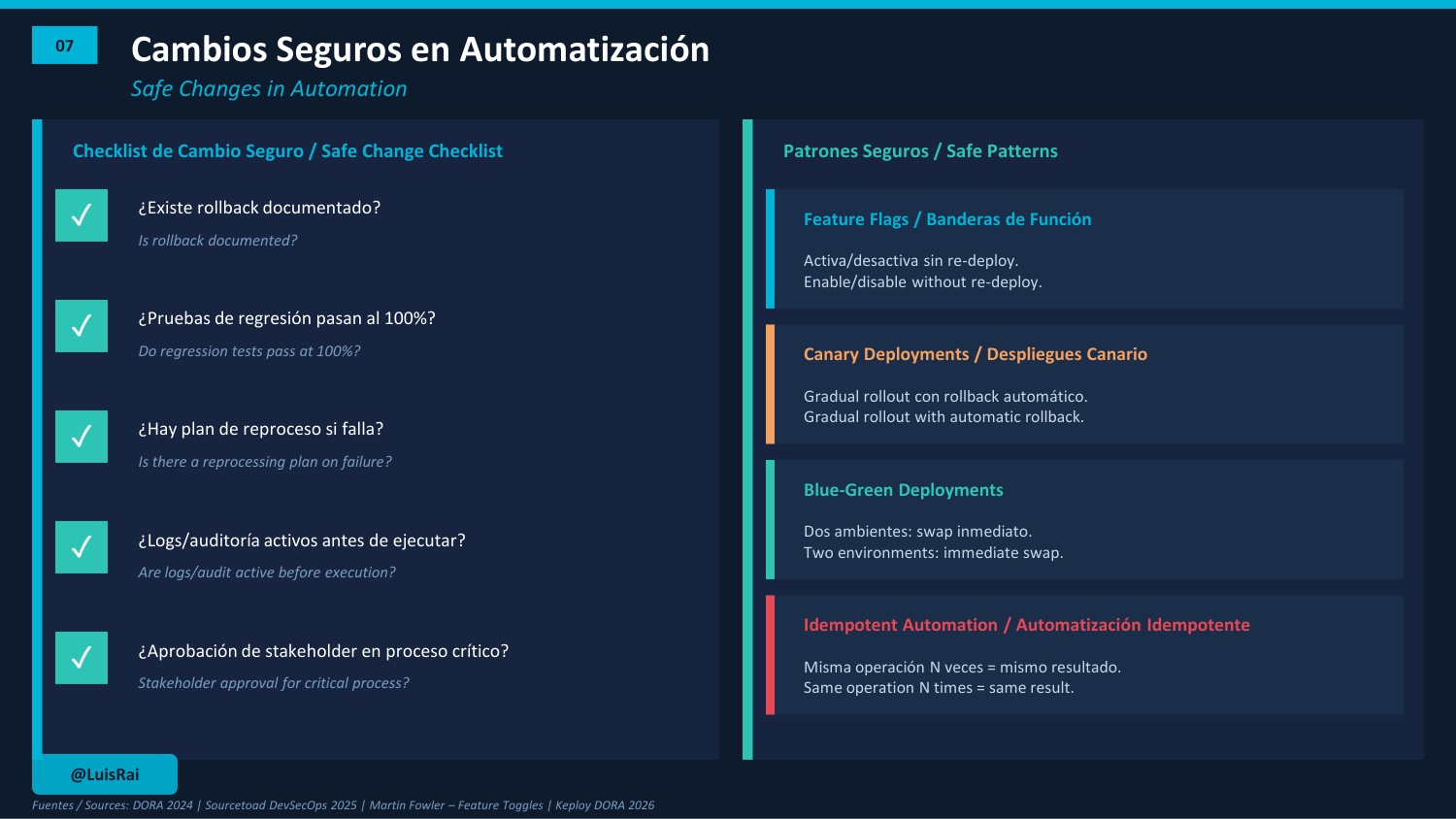
A next-day validation routine can run with three controls. Build an inventory of critical assets and register target latency, read frequency, and execution cost. Trigger alerts when materialized views exceed freshness windows or when incremental jobs process unexpected out-of-range volume. Require versioned business definitions for critical dashboards so performance tuning does not reintroduce metric drift.
How does it impact ROI and EBITDA?
EBITDA improves when wasted compute and reconciliation support effort decrease. ROI improves when platforms deliver required performance without oversizing infrastructure or accumulating unsustainable maintenance debt. The gain does not come from materializing more objects, it comes from materializing where value is measurable and keeping dynamic access where freshness is dominant.
The decisive human capability is architectural and operational judgment, not only SQL fluency. Technical leaders need to prove why an asset is precomputed, under which condition that choice should stop, and which evidence should trigger migration to incremental or dynamic patterns.
References and Related Readings
- BigQuery materialized views introduction
- dbt incremental models
- PostgreSQL materialized views
- Oracle basic materialized views
- SQL Server indexed views
- Snowflake dynamic tables introduction