🎬 Streaming architecture that holds strategy and operations
In many leadership meetings, the assumption is that a streaming platform grows by recommending better and selling more advertising, but the operational stumble appears when catalog, monetization, and moderation run separately and the user receives an incoherent experience.
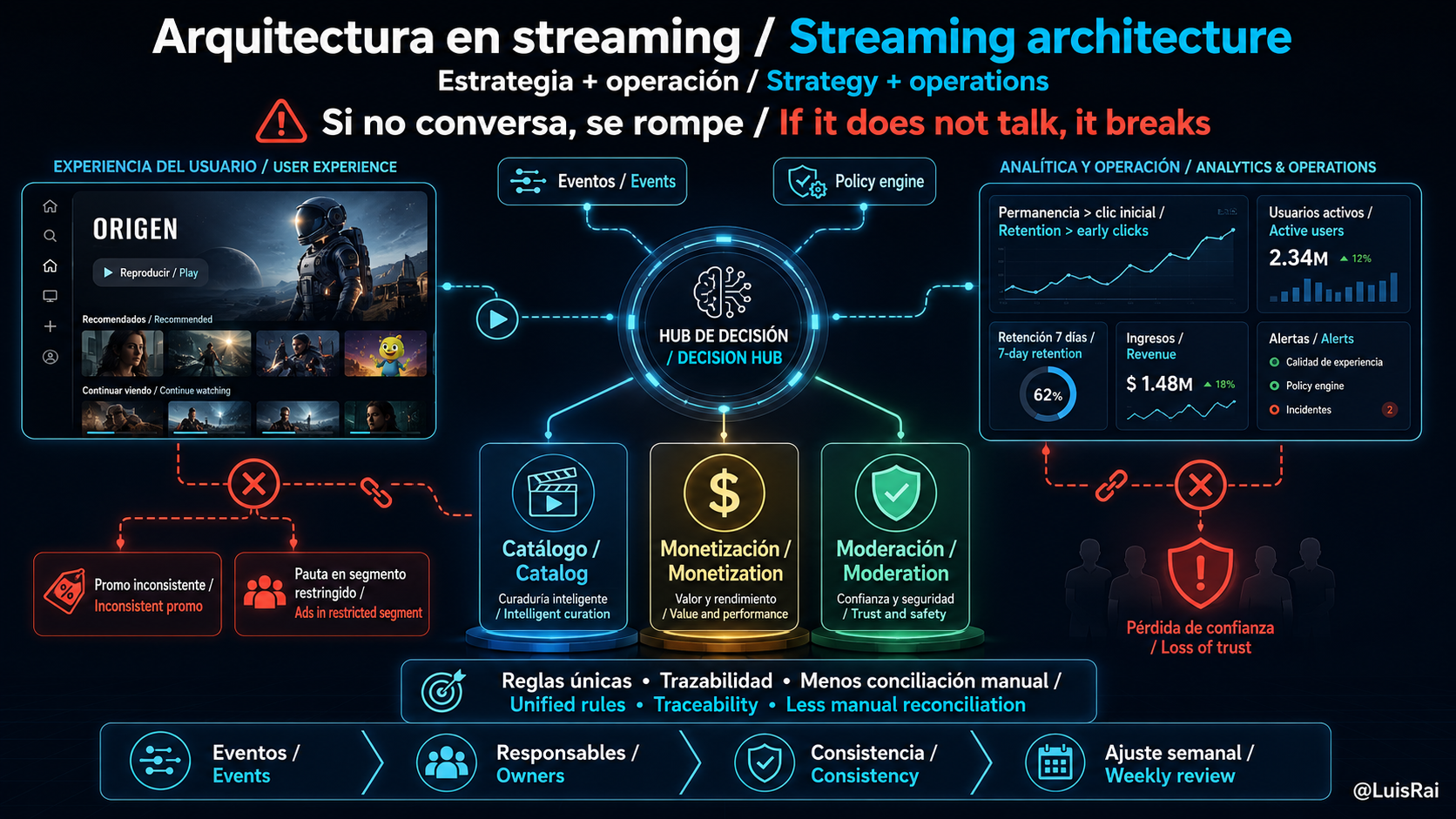
The architecture that sustains growth in streaming requires those three functions to communicate on every operational decision, because when they do not communicate the system breaks and the damage ends in lost revenue and saturated support.
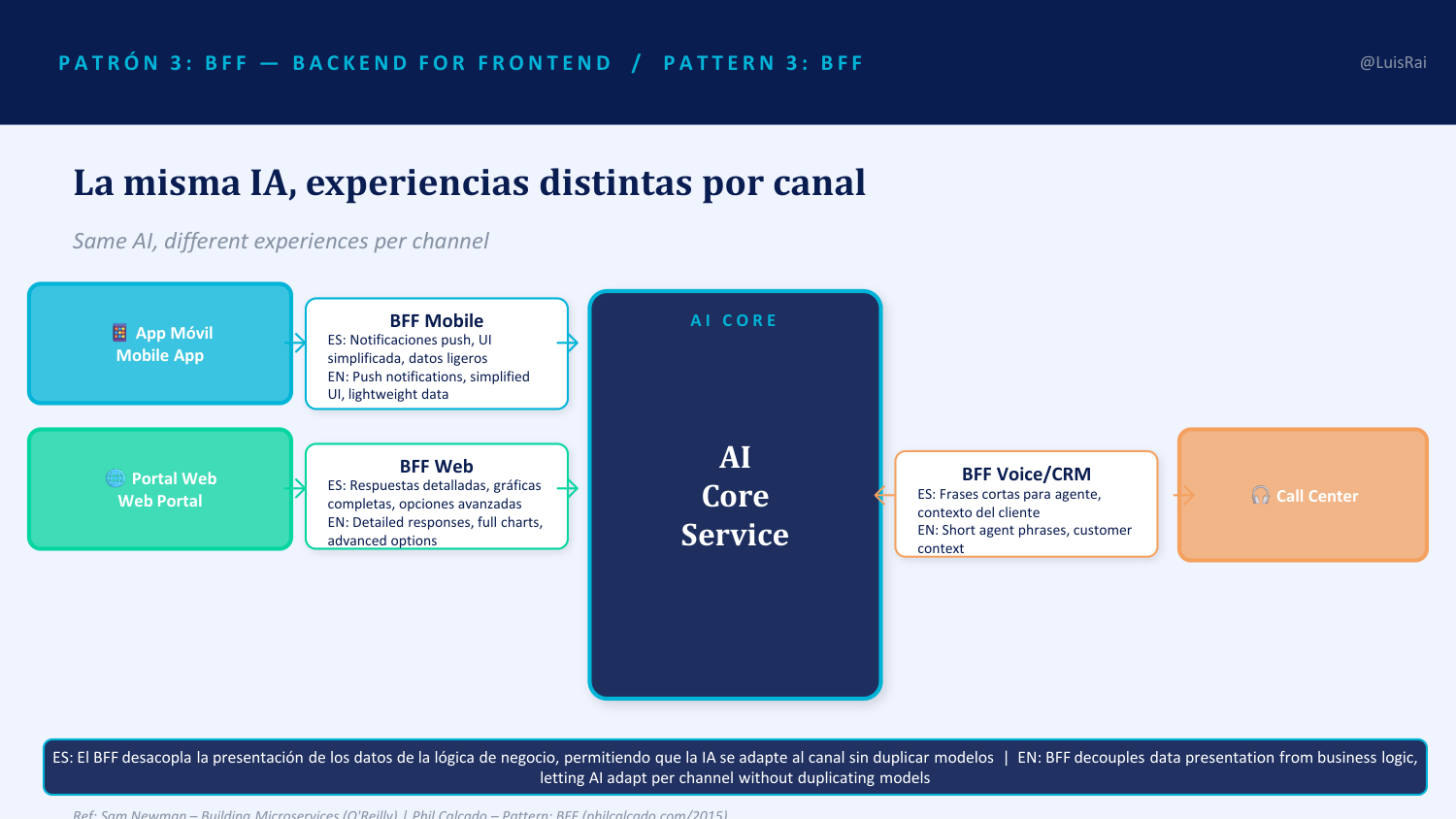
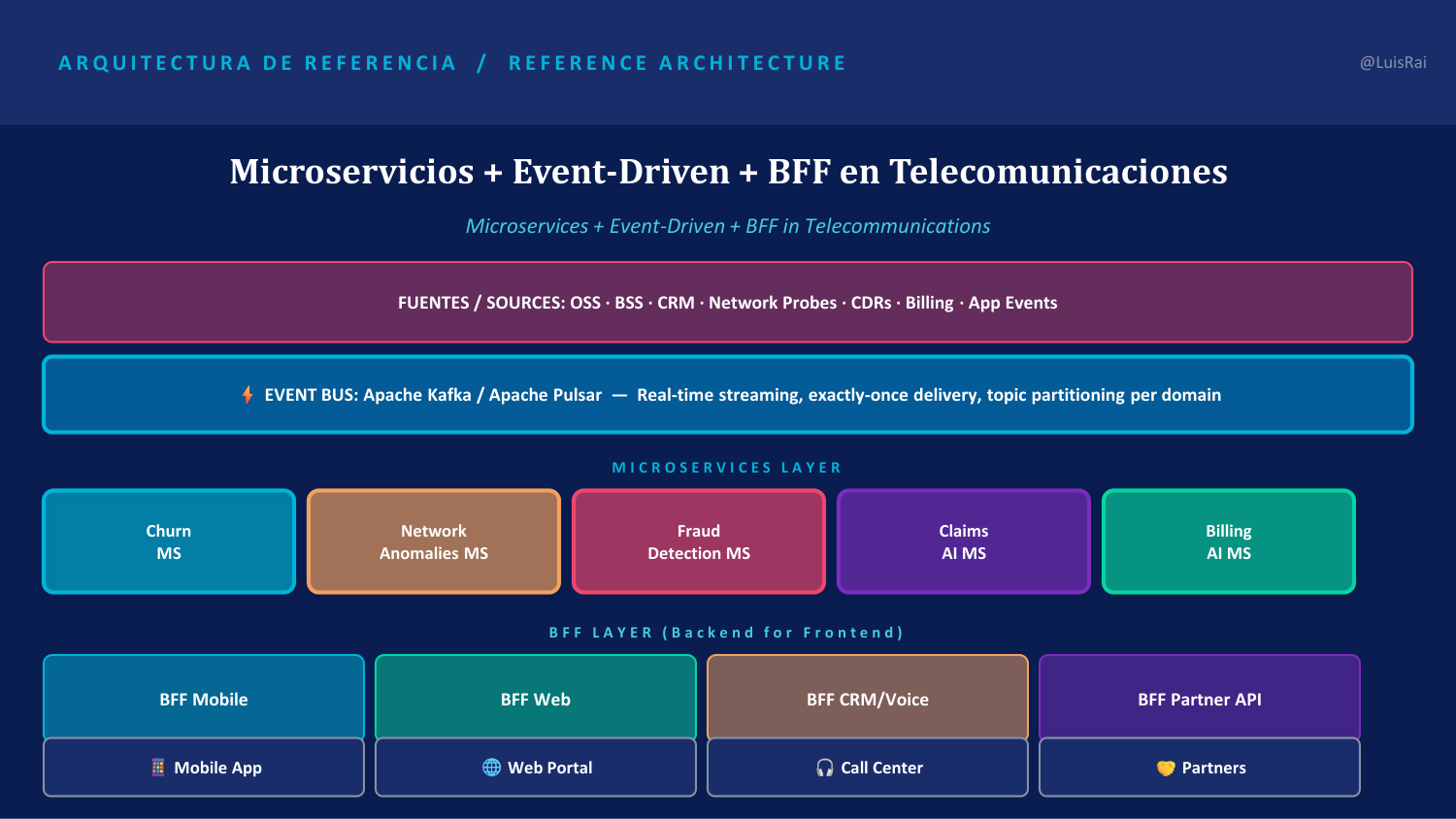
Streaming architecture means defining how content changes, commercial rules, and trust criteria travel between systems, so that analytics reads the same state that product executed and operations does not close the day with manual reconciliations.
First operational moment in Colombia: product activates a promotion to retain basic plan users and commercial changes advertising rules in the same week, but catalog keeps old labels due to time constraints. Click rate on the campaign goes up, effective playback goes down, and support receives complaints about promises that do not match.
Second operational moment: trust and safety adjusts a content risk classification and that decision does not reach the revenue engine fully. Advertising is then served in restricted segments, legal asks for explanations, operations pauses inventory, and the meeting becomes a forensic reconstruction.
Netflix documents that its recommendation system prioritizes long-term member satisfaction over immediate reaction. That finding changes a concrete decision for leadership: measuring only early clicks is not enough when the real objective is session quality and retention. If the system does not communicate, it breaks, and the dashboard can show improvement while the experience deteriorates.
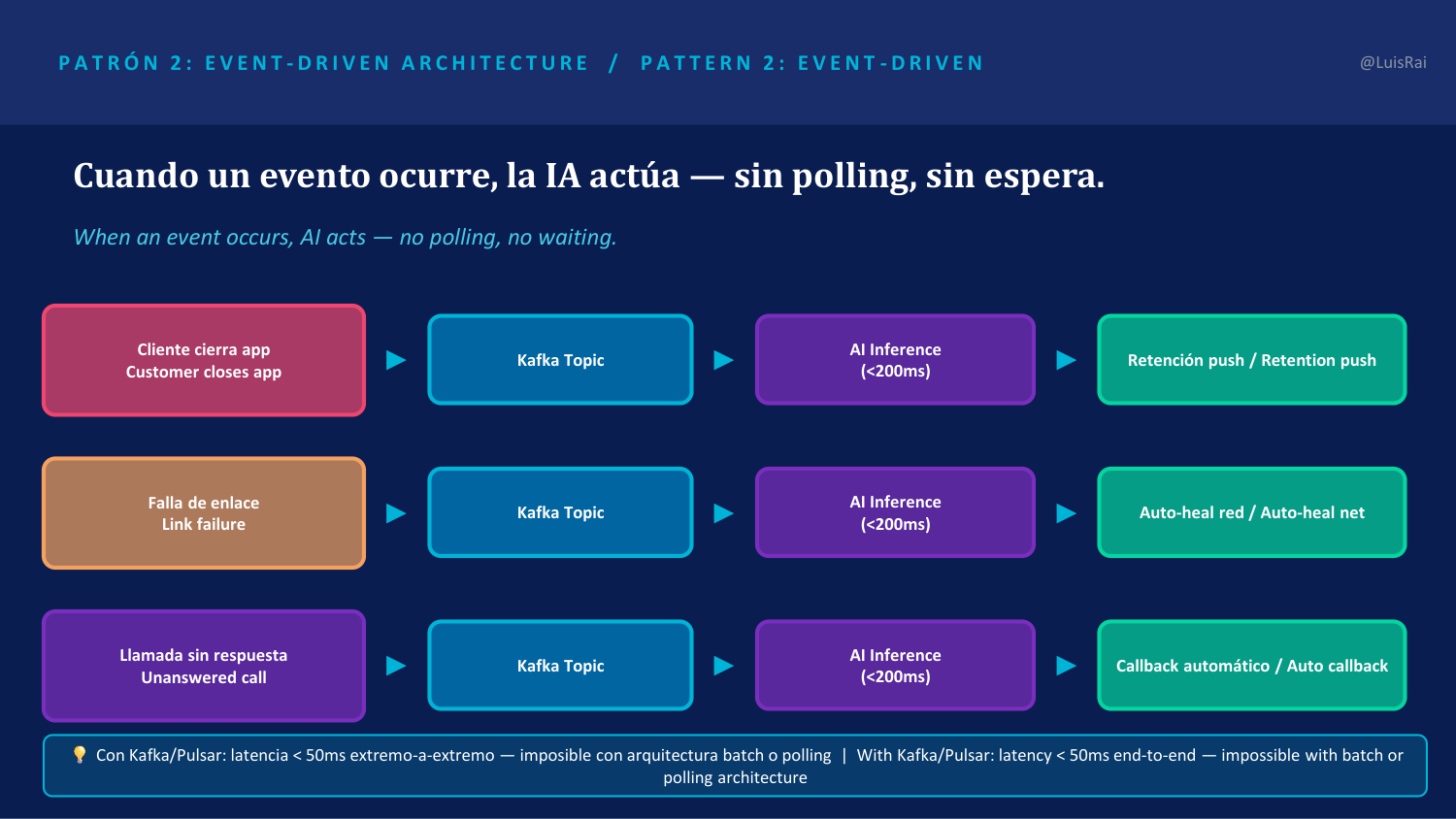
Two technical concepts are enough to bring this into execution. Event driven is an architecture that reacts to facts such as title addition, rule change, or account block to synchronize systems without manual chained calls. Policy engine is a service that applies business and trust rules consistently before publishing an action.
A small platform does not need the complexity of a global operation, but it does need minimum traceability between content, revenue, and moderation. When that foundation is missing, the cost appears in rework and hours lost in reconciliations.
First define shared events and ownership; then connect catalog, monetization, and moderation on unified rules; next measure retention alongside operational consistency rather than only early clicks; finally review each week where the flow broke and who decides the adjustment before the next campaign.