
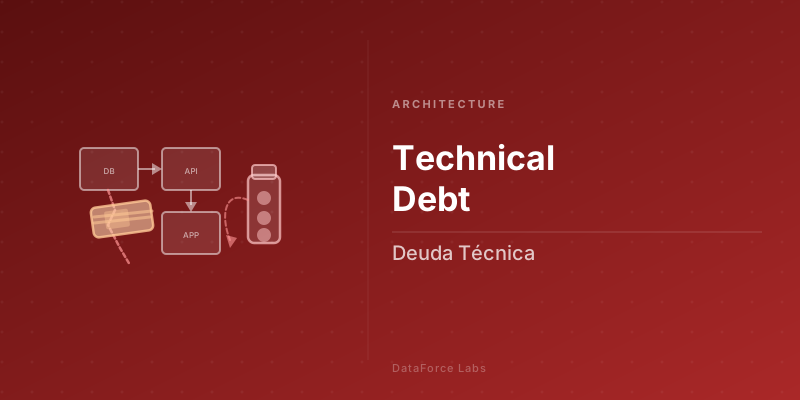
💊 La pastilla que aplaza el dolor pero no lo cura
Muchos líderes celebran cuando el área de TI logra bajar la factura tecnológica al final del trimestre. Ven menos líneas en el presupuesto y lo leen como señal de que alguien hizo bien su trabajo. El equipo también lo celebra porque libró la presión. Pero ese alivio suele durar exactamente un mes, y la reunión de seguimiento del período siguiente empieza igual que la anterior.
Reducir costos sin tocar el diseño interno de los sistemas no es optimizar, es diferir la cuenta con intereses.
La arquitectura de sistemas es la forma en que están organizadas las piezas tecnológicas de la empresa, cómo se comunican entre sí y cuánto trabajo innecesario generan cada vez que procesan información. Dicho de otro modo, es la estructura que sostiene todo lo demás. Si esa estructura está mal desde raíz, ningún recorte de licencias ni apagado de servidores la va a sanar.
Es como tomar una pastilla para el dolor de espalda que viene de una postura incorrecta. El alivio llega rápido y la persona siente que el problema está resuelto. Vuelve a sus actividades normales, vuelve a la misma postura, y el dolor vuelve el siguiente mes con la misma intensidad o con más. El médico sigue atendiendo síntomas y la postura no cambia.
En muchas empresas colombianas ese ciclo se repite sin que nadie lo nombre. Se apagan servidores que nadie usa, se recortan contratos de software, se le pide al equipo que agilice consultas a la base de datos. El recibo baja. Pero los reprocesos siguen, las conciliaciones no cuadran, las aprobaciones se devuelven y el área de TI vuelve a pedir presupuesto antes de que cierre el siguiente trimestre.
Lo que nadie quiere escuchar es que la causa suele ser la deuda técnica, que son las decisiones apresuradas de diseño acumuladas con el tiempo porque siempre hubo algo más urgente que atenderlas. Cada atajo se convirtió en mantenimiento adicional, en código frágil que no aguanta cambios y en sistemas que cuestan más de lo esperado solo para seguir encendidos. Es una carga invisible que crece sola si nadie la atiende. Martin Fowler, experto en diseño de software, describió esa acumulación como una deuda que genera intereses mientras no se pague.
Recortar sin rediseñar es seguir tomando la pastilla. El dolor vuelve el siguiente mes.
Primero identifique cuáles sistemas generan más reprocesos y mantenimiento correctivo cada mes. Luego pida al equipo que explique en términos de negocio qué parte viene de decisiones de diseño viejas. Después incluya en el presupuesto tiempo real para mejorar esas piezas, no solo para mantenerlas. Por último mida si los ahorros del siguiente ciclo se sostienen o si el dolor volvió.
Versión en inglés
💊 The Pill That Delays Pain But Doesn't Cure It
Many leaders celebrate when the IT department manages to reduce the technology bill by the end of the quarter. They see fewer lines in the budget and read it as a signal that someone did their job well. The team celebrates too because it escaped the pressure. But that relief usually lasts exactly one month, and the follow-up meeting in the next period starts exactly the same as before.
Reducing costs without touching the internal design of systems is not optimizing, it's deferring the bill with interest.
Systems architecture is the way in which the company's technological pieces are organized, how they communicate with each other, and how much unnecessary work they generate each time they process information. In other words, it's the structure that supports everything else. If that structure is broken from the root, no license cuts or server shutdowns will ever heal it.
It's like taking a pill for back pain that comes from incorrect posture. Relief arrives quickly and the person feels the problem is solved. They return to their normal activities, return to the same posture, and the pain returns the following month with the same intensity or worse. The doctor keeps treating symptoms and the posture never changes.
In many Colombian companies that cycle repeats without anyone naming it. Unused servers are shut down, software contracts are cut, the team is asked to speed up database queries. The bill goes down. But reprocessing continues, reconciliations don't balance, approvals are returned, and the IT department asks for budget again before the next quarter closes.
What no one wants to hear is that the cause is usually technical debt, which are rushed design decisions accumulated over time because there was always something more urgent to address. Each shortcut became additional maintenance, fragile code that can't handle changes, and systems that cost more than expected just to keep running. It's an invisible burden that grows on its own if no one addresses it. Martin Fowler, an expert in software design, described that accumulation as a debt that generates interest while unpaid.
Cutting without redesigning is continuing to take the pill. The pain returns the next month.
First identify which systems generate the most reprocessing and corrective maintenance each month. Then ask the team to explain in business terms what part comes from old design decisions. Then include in the budget real time to improve those pieces, not just maintain them. Finally measure whether the savings from the next cycle hold or the pain returned.